90s HipHop
A Nostalgic Vibe with Practical Potential
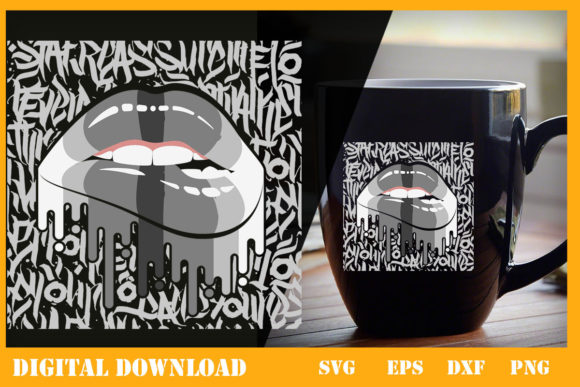
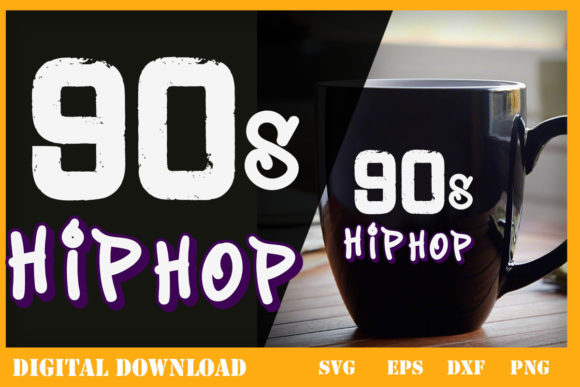
As a designer who’s stitched through countless projects, I approach every embroidery design with the mindset of how it will translate to real-world use. 90s HipHop immediately evokes a sense of nostalgia and energy—think oversized logos, bold typography, and retro aesthetics that scream "throwback." The design carries a laid-back yet powerful vibe, perfect for those looking to tap into the cultural memory of the 90s hip-hop scene.
The First Impression: Aesthetic and Usability
Upon first glance, 90s HipHop feels like a classic emblem of street culture. Its clean lines and strong visual identity make it instantly recognizable. The layout is balanced, with a central logo flanked by supporting elements that add depth without overwhelming the viewer. This makes it versatile enough for both personal and commercial use.
The design files provided are comprehensive, including SVG, PNG, DXF, and EPS formats, which is a solid foundation for various applications. However, as a designer, I always recommend testing these files on scrap fabric before committing to a final project. This helps identify potential issues with stitch density, thread color contrast, and overall clarity.
Real-Life Use Cases: Where Does It Fit?
90s HipHop is well-suited for a range of projects, from custom apparel to boutique branding. Here are a few scenarios where it shines:
- Sweatshirt Embroidery: The design works beautifully on a hoodie or sweatshirt, adding a touch of vintage flair without overpowering the garment.
- Tote Bag Design: When applied to a tote bag, the boldness of 90s HipHop can create a statement piece that stands out in any setting.
- Baby Embroidery: While the theme might seem edgy, the design's simplicity allows it to be adapted for baby clothes, especially when using softer colors and smaller hoop sizes.
- Holiday Embroidery: For festive items like pillow covers or tea towels, 90s HipHop brings a unique twist that’s both trendy and timeless.
- Commercial Embroidery: Small businesses and Etsy sellers can leverage this design for branded merchandise, such as embroidered patches or aprons.
Its adaptability means it can be scaled down for smaller projects or expanded for larger ones, making it a valuable asset in a designer’s toolkit.
Considerations for Real-World Application
While 90s HipHop is visually appealing, there are some practical considerations to keep in mind:
- Small Hoop Sizes: The design may not work well in very small hoops due to its size and detail level. Always check the recommended hoop size before starting a project.
- Textured Fabrics: On fabrics with a lot of texture, the design might not render as clearly. Testing on a variety of materials is essential.
- Dark Fabric: Dark backgrounds can mute the vibrancy of the design, so consider using contrasting thread colors or adjusting the design for better visibility.
- Stretchy Fabric: Items like t-shirts or sweatshirts require proper stabilizer to maintain shape and prevent distortion during stitching.
- Curved Surfaces: Applying the design to curved surfaces like caps or hats may require additional planning to ensure even coverage and alignment.
- Detailed Corners: Areas with intricate details need careful handling to avoid skipped stitches or uneven results.
These factors highlight the importance of understanding the limitations and strengths of the design before moving forward with a project.
Design Quality and Visual Impact
90s HipHop has a strong visual appeal that can elevate any handmade product. The combination of bold shapes and clear typography ensures that the design remains legible even after multiple washes. This is particularly important for personalized gifts or items that will be used frequently.
From a professional standpoint, the design supports brand consistency and customer trust. When used in a cohesive manner across different products, it reinforces a brand’s identity and enhances recognition. This is especially valuable for craft businesses and Etsy sellers looking to build a loyal customer base.
Practical Designer Notes
Before using 90s HipHop in a real project, consider the following tips:
- Test on Scrap Fabric: Always test the design on a sample to assess stitch quality and thread contrast.
- Review Stitch Density: Ensure the stitch count is appropriate for the intended use and fabric type.
- Check Thread Colors: Select thread colors that complement the design and fabric background.
- Confirm Hoop Size: Make sure the design fits within the hoop dimensions of your machine.
- Inspect Small Details: Pay close attention to corners, lettering, and decorative accents to catch any potential issues.
- Test in Black and White: This helps identify areas that may lose clarity when printed or stitched.
- Use Proper Stabilizer: Choose the right stabilizer for the fabric type to ensure smooth stitching.
- Verify Licensing: If you plan to sell finished products or digital assets, confirm the licensing terms before proceeding.
These steps help ensure that 90s HipHop performs reliably in both personal and commercial settings.
Final Thoughts
90s HipHop is more than just a design—it's an opportunity to bring a piece of history into modern craftsmanship. With the right preparation and attention to detail, it can become a standout element in your embroidery projects. Whether you're creating custom apparel, personalized gifts, or boutique branding, this design offers both aesthetic value and practical versatility.
As a designer, I encourage you to explore how 90s HipHop can fit into your creative workflow. By understanding its strengths and limitations, you can confidently use it to enhance your handmade products and digital offerings.