Pi Day Svg
A Designer’s Take on the Pi Day Svg for Real-World Embroidery Use
As an embroidery designer with years of experience working on custom projects for clients and small businesses, I’ve seen my fair share of digital files. When I first opened Pi Day Svg, I was immediately struck by its clean, modern aesthetic. It’s not just a design—it’s a concept. The way it balances simplicity with visual interest makes it a strong candidate for a variety of projects.
The First Impression: A Mood of Mathematical Elegance
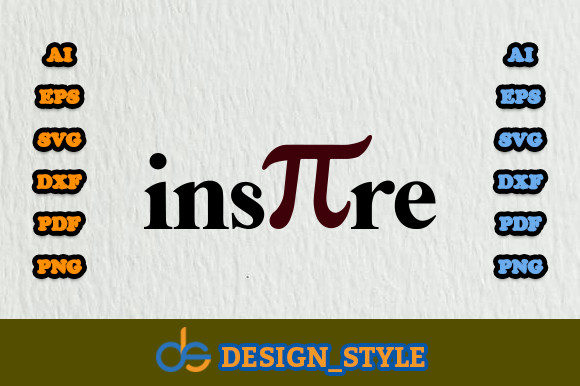
Pi Day Svg is designed to evoke a sense of curiosity and intellectual playfulness. The central symbol, the Greek letter π, is rendered with precision and clarity. Its placement in the design feels intentional, drawing the eye while maintaining a balanced composition. The overall layout is uncluttered, which is a big plus for someone looking to create something that stands out without overwhelming the viewer.
This kind of visual personality fits well with products that aim to celebrate learning, creativity, or even just a fun holiday like Pi Day. Whether it's a custom embroidered tote bag, a personalized sweatshirt, or a patch for a craft fair, Pi Day Svg has the potential to be both functional and meaningful.
Real-Life Scenario: Custom Embroidered Tote Bag
Let’s imagine a real-world scenario where Pi Day Svg could be used. Suppose I’m designing a custom tote bag for a local boutique that sells educational toys and crafts. The client wants something that appeals to both kids and adults, with a subtle nod to STEM education. Pi Day Svg would be perfect for this project. It adds a touch of sophistication without being too childish.
When I think about how it would look after stitching, the design maintains its clarity and detail. The lines are crisp, and the symbols are well-proportioned. This means that even when stitched onto fabric, the design remains legible and visually appealing. It’s important to note that the file should be tested on scrap fabric first to ensure that the stitch density and thread colors work together harmoniously.
Practical Considerations for Embroidery Use
While Pi Day Svg looks great on screen, there are several factors to consider before using it in a real project. For instance, it may not perform as well on very small hoop sizes or on fabrics with a lot of texture. The design includes some intricate details, so it’s best suited for medium to large hoop sizes where the stitches can spread out and maintain their clarity.
Another thing to keep in mind is the fabric type. On dark or textured fabrics, the contrast between the design and the background may be less pronounced. Testing the design in black and white mockups can help identify any issues with visibility or stitch clarity. Using the right stabilizer is also crucial—especially if the project involves frequent washing or requires a professional finish.
Where to Use Pi Day Svg with Care
- Small Hoop Sizes: Avoid using Pi Day Svg on very small hoops unless you’re certain the design will scale down without losing quality.
- Textured Fabrics: While the design holds up well on smooth surfaces, it may not translate as effectively on fabrics with a rough texture.
- Dark Fabric: Test the design on dark backgrounds to ensure that the thread colors provide enough contrast.
- Curved Surfaces: If you're planning to use it on a cap or a curved surface, make sure the design doesn’t stretch or distort during the stitching process.
- Tiny Lettering: The numbers and symbols are clear but small, so they may not be ideal for projects requiring high detail.
- Dense Stitch Areas: The design includes areas with dense stitching, which can add depth but may also increase the time required for completion.
- Decorative Accents: While the design is minimal, it can still serve as a decorative accent on items like aprons, pillow covers, or tea towels.
Visual Appeal and Product Value
The visual appeal of Pi Day Svg is undeniable. It brings a sense of purpose and intention to any project it’s used on. However, the true value lies in how it enhances the final product. A well-executed embroidery design can elevate a simple item into something special, especially when used for personalized gifts or handmade products.
For Etsy sellers or small shop owners, Pi Day Svg offers a versatile asset that can be used across multiple product lines. From custom apparel to holiday gifts, the design has the flexibility to adapt to different needs. But remember, the success of your finished product depends on how well you execute the embroidery process and how carefully you prepare for it.
Design Notes for Embroidery Professionals
If you're an embroidery designer or a craft business owner, here are a few practical notes to keep in mind:
- Test on Scrap Fabric: Always test new designs on scrap fabric to assess stitch density, color contrast, and overall appearance.
- Check Thread Colors: Ensure that the chosen thread colors complement the design and fabric.
- Confirm Stitch Density: Review the stitch density to avoid over-stitching or under-stitching, especially in detailed areas.
- Inspect Small Details: Look closely at corners, edges, and tiny elements to ensure they remain intact after stitching.
- Use Proper Stabilizer: Choose the right stabilizer based on the fabric type to prevent puckering or distortion.
- Consider Light and Dark Backgrounds: Test the design on both light and dark fabrics to see how it performs in different settings.
- Confirm Licensing: Before selling finished items or digital products, make sure you have the proper licensing rights for Pi Day Svg.
Conclusion: A Versatile Design for a Wide Range of Projects
Pi Day Svg is more than just a design—it’s a tool for creating meaningful, eye-catching embroidery projects. Whether you're a hobbyist, a small business owner, or a professional designer, it offers a unique blend of style and functionality that can enhance your creative output.
With the right preparation and attention to detail, Pi Day Svg can become a staple in your design toolkit. It’s a great choice for custom apparel, personalized gifts, and even commercial embroidery projects. Just remember to test, adjust, and always prioritize quality in every step of the process.