Medical Symbol
A Design for Purpose and Precision
As a designer who’s stitched countless projects from custom apparel to holiday gifts, I approach every embroidery file with the same question: Will this design hold up in real life? Medical Symbol is one such file that caught my eye. It’s not just another generic graphic—it carries a quiet authority that speaks to its intended use. Before I dive into how it performs in practical scenarios, let me set the scene.
The First Impression
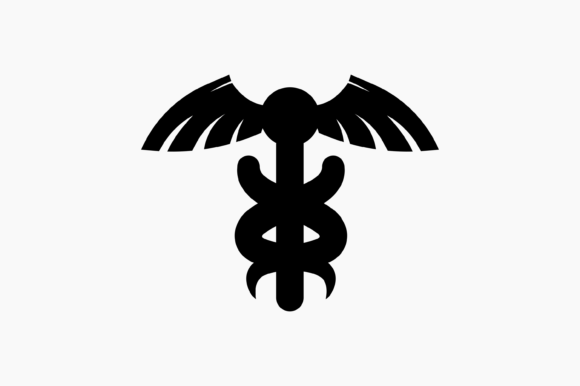
When I first opened Medical Symbol, I was struck by its clean lines and intentional simplicity. The design is a classic medical symbol, rendered with a balance of detail and clarity. It doesn’t overcomplicate itself, which is a strong sign of good design. The layout feels purposeful—every line and curve serves a function. It’s the kind of design that could easily be mistaken for a logo, but its embroidery-friendly structure makes it ideal for personal or commercial use.
The visual personality of Medical Symbol is professional yet approachable. It doesn’t scream “medical” in a way that feels overly clinical; instead, it offers a sense of trust and reliability. This makes it versatile enough for both casual and formal applications. Whether you’re creating a personalized gift or a boutique product, the tone of Medical Symbol aligns well with the project’s intent.
Real-World Embroidery Scenarios
Let’s imagine a scenario: I’m preparing a custom embroidered tote bag for a client who runs a wellness shop. The client wants a subtle yet meaningful symbol that reflects their brand’s values. Medical Symbol fits perfectly here. Its clean design translates well onto fabric, maintaining its integrity even when scaled down. It works equally well on a large tote as it does on a small patch or cap.
On a sweatshirt, Medical Symbol adds a touch of professionalism without being overwhelming. It pairs well with neutral tones and can be enhanced with contrasting thread colors for added visibility. For baby clothes, the design remains appropriate and safe, avoiding any potentially inappropriate elements. In fact, its simplicity makes it an excellent choice for children’s wear, where clarity and safety are paramount.
When considering holiday or seasonal items, Medical Symbol can be adapted to fit different themes. A simple black-and-white mockup can help visualize how it might look on a festive background. However, I’d caution against using it on dark fabrics unless the thread color contrast is carefully considered. Dark backgrounds can swallow intricate details, especially in areas with dense stitching.
Where to Use Carefully
While Medical Symbol is versatile, there are situations where it may require extra attention. Small hoop sizes can struggle with the design’s detail level, particularly in the corners and fine lines. Textured or stretchy fabrics may also cause issues with stitch density, leading to uneven results. Similarly, thin or delicate fabrics may not support the design’s complexity, resulting in a loss of definition.
Curved surfaces like caps or hats present another challenge. The design’s edges are sharp, which means they may not translate well to curved surfaces unless properly adjusted. Likewise, layered garments or products requiring frequent washing may need additional stabilizer to maintain stitch quality over time.
For those looking to sell finished products, it’s essential to confirm licensing terms before using Medical Symbol commercially. While the product description mentions unlimited use, it’s always wise to double-check the license agreement to ensure compliance with any restrictions or requirements.
Design Impact and Practical Notes
Medical Symbol has a clear impact on the visual appeal of any project. Its simplicity allows it to stand out without overshadowing other design elements. When used correctly, it enhances the overall presentation of a handmade product, whether it’s a personalized gift or a boutique item.
From a customer perspective, the design builds trust. Its clean, recognizable form signals professionalism and care, which is crucial for small businesses and Etsy sellers. It also supports brand consistency, making it a valuable asset for craft businesses that rely on repeat customers.
Before committing to a design, I always recommend testing it on scrap fabric. This helps identify potential issues with stitch density, thread contrast, and overall clarity. Checking the design in black and white mockups is another useful step, especially when planning for dark fabric applications.
Using the right stabilizer is also key. For Medical Symbol, a lightweight stabilizer works best, especially on delicate or textured fabrics. It ensures the design stays in place during stitching and maintains its shape after completion.
Final Thoughts
Medical Symbol is a solid choice for designers and crafters looking for a reliable, professional-looking design that can adapt to various projects. Its clean lines and thoughtful structure make it suitable for everything from custom apparel to holiday gifts. However, it’s important to consider fabric type, hoop size, and thread contrast to ensure the best possible outcome.
Whether you’re running a small shop, selling on Etsy, or creating personalized gifts, Medical Symbol offers a versatile foundation for your embroidery projects. With careful preparation and attention to detail, it can elevate your handmade products and provide value to your customers.